The construction industry is undergoing a significant shift towards environmentally friendly energy sources, with hydrogen fuel cells emerging as a cleaner alternative to traditional diesel generators. The HS2 project in the UK showcases the potential of hydrogen technology to reduce emissions on a large scale.
Companies like GeoPura are leading the way in developing hydrogen generators for construction, offering a pathway to decarbonize the industry. Despite scalability challenges, projects like HS2 demonstrate the feasibility of large-scale hydrogen integration.
Hydrogen's high energy density and zero-emission properties make it ideal for heavy industries like construction. The cost and logistical challenges of hydrogen deployment are being addressed through ongoing innovations and investments in the sector.
GeoPura's ambitious plans for hydrogen production and distribution highlight the company's commitment to a zero-emission construction industry. As hydrogen technology becomes more economically viable, the construction sector is poised for a greener future.
While economic barriers remain, the promise of hydrogen as a clean energy source in construction is undeniable. Pioneering projects like HS2 are paving the way for sustainable practices, but widespread adoption hinges on overcoming challenges and fostering new innovations.
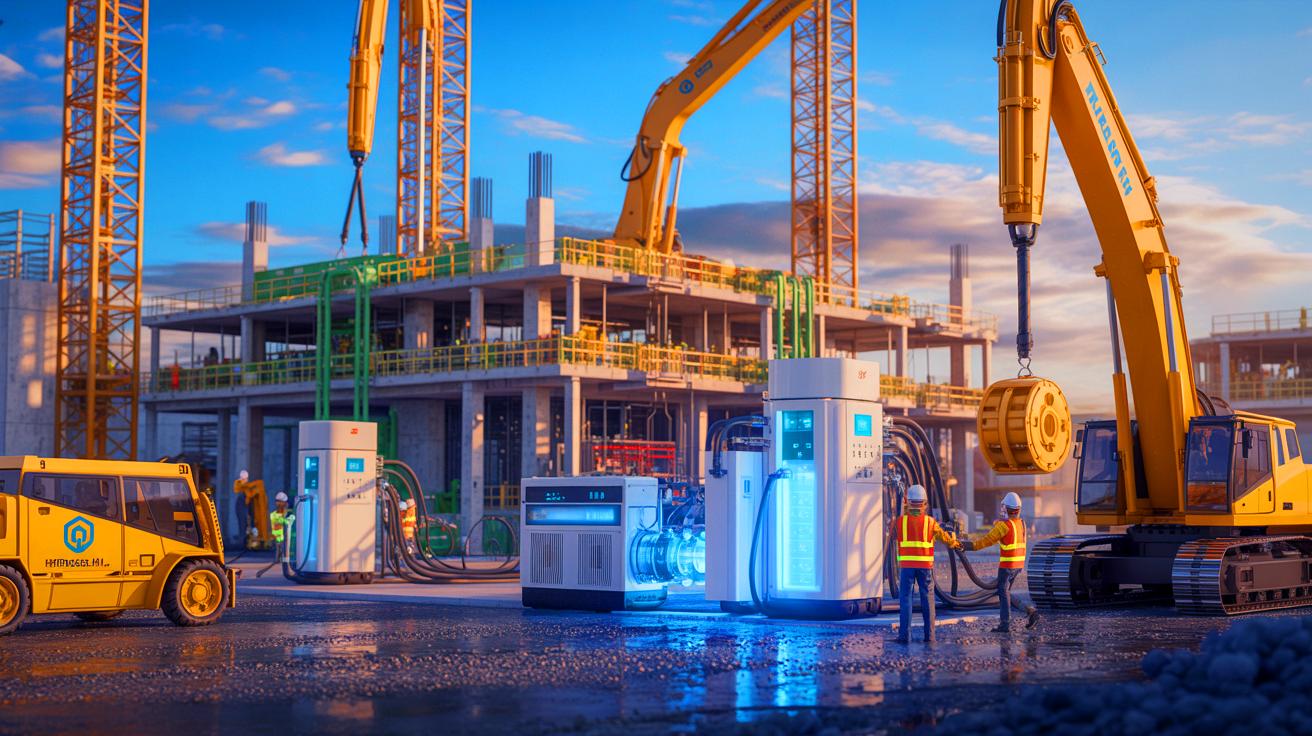
Reference from News: "Steel Forest Rose Overnight": U.S. Stunned as $134 Billion European Hydrogen Megaproject Explodes Into Largest Construction Site Ever Seen on Earth