Denmark, known for its prowess in renewable energy adoption, is exploring the possibility of ending its long-standing prohibition on nuclear power. The Danish government has announced plans to conduct a year-long study on the potential benefits and risks associated with integrating nuclear energy into its energy mix alongside wind and solar resources.
As a pioneer in marine wind energy, Denmark currently derives a significant portion of its electricity from renewable sources. Eurostat data reveals that the country generated 88.4% of its electricity from renewables last year. Notably, wind power alone accounted for nearly 60% of Denmark's domestic energy consumption, with a substantial portion originating from offshore wind farms in the North Sea.
The ban on nuclear energy, enforced in 1985 following the Chernobyl disaster, may be approaching its end. Danish Minister of Climate and Energy Lars Aagard emphasized the need for a reliable energy source to support the country's extensive wind and solar farms, acknowledging the limitations of relying solely on solar and wind energy.
While nuclear power lacks the flexibility of gas-fired power plants or battery storage, advancements in battery technology are rapidly progressing, making renewable energy sources economically competitive with nuclear power in many regions. Denmark currently relies on natural gas, coal, and electricity imports to meet energy demands when renewables fall short.
The Danish Energy Minister has ruled out large-scale nuclear plants in favor of small modular reactors (SMRs), which are smaller and potentially more cost-effective. However, challenges such as waste disposal and regulatory issues need to be addressed before SMRs can be deployed on a large scale.
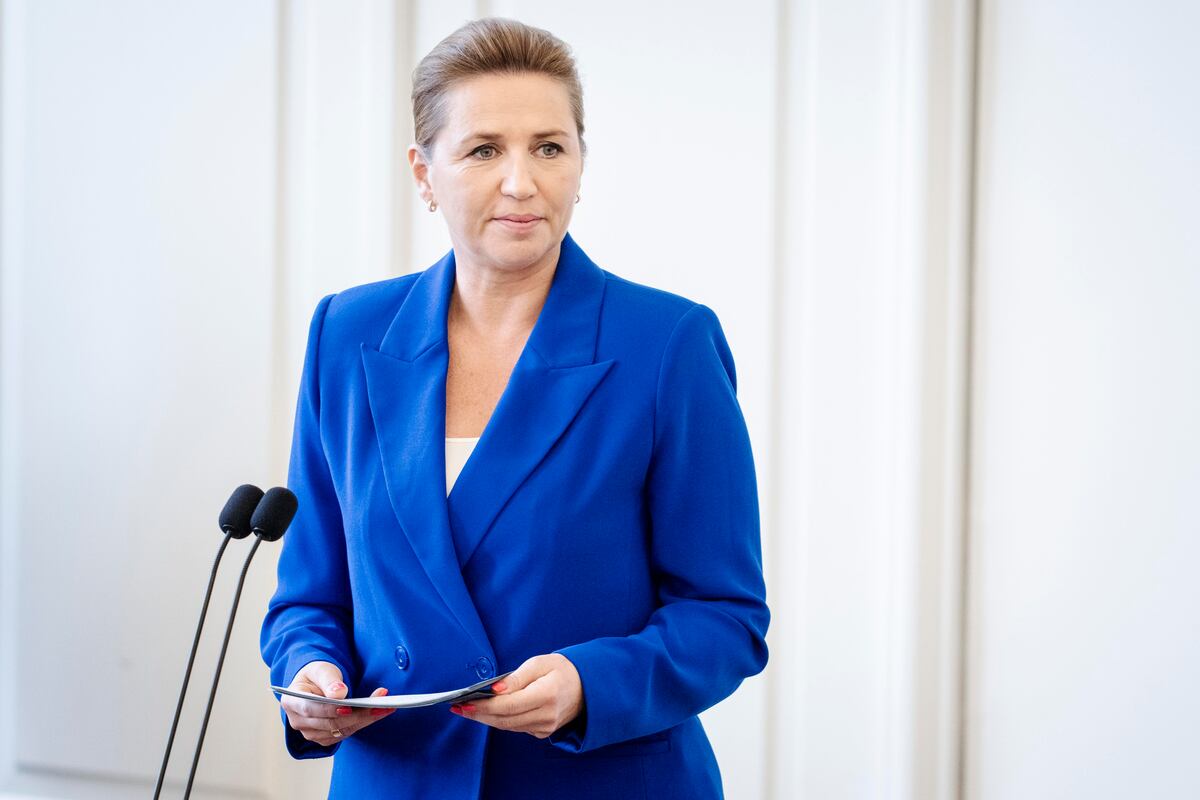
Public opinion in Denmark is shifting towards nuclear energy, with recent polls indicating growing support for lifting the ban. Prime Minister Mette Frederiksen has shown openness to reconsidering the nuclear policy, aligning with changing public sentiment and international trends towards nuclear energy expansion.
Neighboring countries like Sweden are ramping up their nuclear commitments, signaling a broader regional shift towards nuclear power. While challenges such as delays and cost overruns have plagued some nuclear projects in Europe, countries are increasingly exploring nuclear energy as a viable option to meet their long-term energy needs.
Reference from News: Denmark Considering Lifting Nuclear Power Ban - News Directory 3